


The historical journey of gambling how it shaped cultures and societies
The Origins of Gambling
Gambling is an ancient practice that dates back thousands of years, with evidence of its existence in various civilizations. Archaeological findings suggest that early forms of gambling were evident in ancient China around 2300 BCE, where rudimentary games of chance were played. Similarly, the ancient Egyptians used dice in games of chance, indicating that the allure of risk and reward has long captivated humanity. For those seeking further insights into the world of gaming, visit https://onlinedentallearning.in/, which explores various aspects of modern gaming practices.
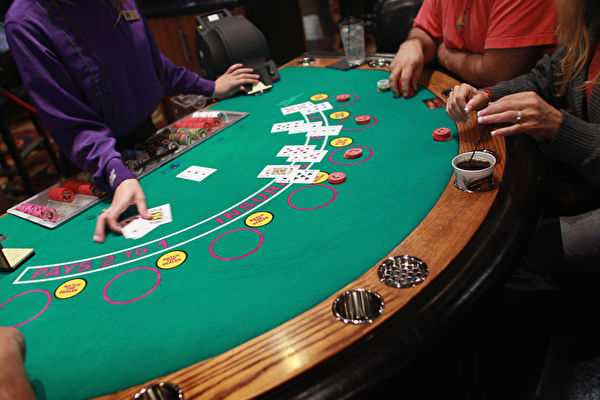
These early practices often intertwined with cultural rituals and were seen as a means of divination or seeking favor from the gods. In many societies, gambling served not just as entertainment but also as a social bonding activity, reinforcing community ties and cultural identity. This historical context underlines how gambling was not merely about chance but was deeply rooted in societal values and traditions.
The Evolution of Gambling Practices
As societies evolved, so did gambling practices. The Romans popularized betting on gladiatorial games, while in medieval Europe, the establishment of public lotteries began to emerge. These lotteries were often used to fund public projects, showcasing how gambling could serve a greater purpose within society, fostering a sense of communal responsibility. Awareness around these practices is crucial in addressing the issues surrounding gambling.
The advent of modern casinos in the 17th century, particularly in Venice, marked a significant shift. These establishments catered to the elite and became centers of social life. This evolution laid the foundation for the diversified gambling landscape we see today, reflecting cultural values and economic conditions of various eras. Each transition tells a story of adaptation and change, illustrating how gambling mirrored societal developments.
The Cultural Impact of Gambling
Gambling has a profound influence on culture, shaping art, literature, and even social norms. From Shakespeare’s plays to modern films, the themes of chance and risk have captivated audiences and sparked discussions about morality and human behavior. Literature often reflects the complexities of gambling, portraying both the allure and the potential consequences of addiction, which is essential for fostering awareness.
This cultural interplay has extended into music and fashion, where gambling motifs can symbolize luck, risk-taking, and the pursuit of fortune. The pervasive imagery of dice, playing cards, and roulette wheels resonates in popular culture, illustrating how deeply embedded gambling is in our collective psyche and societal narratives.
The Dark Side of Gambling: Addiction and Societal Challenges
While gambling can be a source of entertainment and social interaction, it also presents significant challenges, particularly concerning addiction. Gambling addiction can have devastating effects on individuals and families, leading to financial ruin, emotional distress, and social isolation. Understanding this darker side is crucial, as it can impact entire communities and social structures.
Awareness and prevention initiatives are vital in addressing gambling addiction. Society must balance the entertainment aspect of gambling with responsible practices and support systems for those affected. By fostering open dialogues around gambling and its potential risks, we can create a healthier environment that promotes both enjoyment and safety.

Experience the Thrill of Online Gambling
As technology advances, the landscape of gambling continues to evolve. Online platforms have revolutionized how people engage with gambling, offering convenience and accessibility. Players can now experience a vast array of games from the comfort of their homes, opening up new avenues for entertainment.
These platforms often emphasize responsible gaming, providing tools and resources to help players manage their gambling habits. By combining innovation with awareness, the online gambling industry aims to create an engaging yet safe environment for all. As gambling continues its historical journey, it remains essential to recognize its cultural significance and the ongoing challenges it presents.

